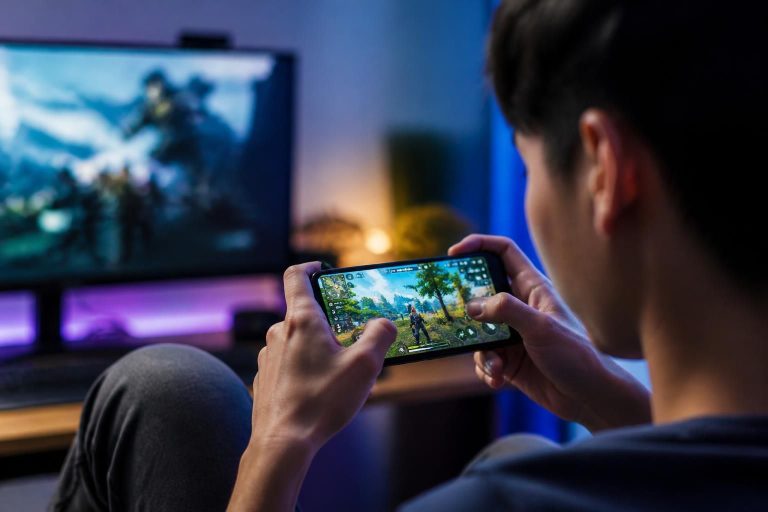
Game soundtracks and music play a crucial role in shaping the player experience, often serving as an invisible but powerful force behind player immersion and emotional engagement. The right music can intensify gameplay, evoke nostalgia, and even influence the way players perceive challenges within a game. As the gaming industry continues to evolve, the significance of soundtracks has been increasingly recognized not just as background noise, but as an integral part of the gaming experience.
Understanding the Role of Music in Game Design
Game soundtracks and music are meticulously crafted to accompany the visual elements and narrative of a game. Developers understand that music can significantly enhance storytelling by setting the tone and mood. For instance, a haunting melody can create an atmosphere of suspense, while an upbeat rhythm can elevate the excitement during a race or battle. This synergy of visuals and soundtracks is crafted during the game design process, where composers work closely with developers to align their music with game mechanics and emotional cues.
Moreover, soundtracks can serve as a tool to guide players through gameplay. In many games, music changes dynamically based on player actions or game events. For example, in action-adventure games, the tempo might increase during a chase scene, prompting players to feel more adrenaline rush and urgency. This orchestration of sound and action not only enhances the player experience but also reinforces the game’s narrative structure.
Impact on Player Emotion and Engagement
The emotional impact of game soundtracks and music cannot be overstated. Music has the unique ability to evoke feelings, creating a deeper connection between players and the game world. Consider iconic soundtracks like those from “The Legend of Zelda” or “Final Fantasy”; they are often celebrated not only for their melody but for the memories and emotions they evoke in players. Composers like Koji Kondo and Nobuo Uematsu have crafted timeless pieces that resonate with players long after they’ve put down the controller.
Furthermore, music has the potential to enhance immersion. When players hear a familiar theme, they are often transported back to pivotal moments in their gaming history, intensifying their current gameplay experience. This connection can lead to a sense of nostalgia that enhances emotional investment in the game, making victories feel sweeter and losses more poignant.
Trends in Modern Game Soundtracks
As technology advances, so do musical compositions in games. The incorporation of orchestral scores, licensed tracks, and even dynamic audio systems has become commonplace. Modern games often blend multiple genres to create a unique auditory experience tailored to their specific gameplay. For instance, games like “Cyberpunk 2077” have employed a mix of synthwave and contemporary tracks from various artists to reflect their futuristic world.
Moreover, the rise of procedural music in gaming—a technique where music is generated in real-time based on player actions—allows for a personalized soundtrack that adapts to individual gameplay. This innovation not only enhances player experience but also propels game soundtracks and music into new artistic territory.
The Role of Soundtracks in Esports and Competitive Gaming
In the realm of esports, game soundtracks and music take on another layer of significance. Recognizable themes from popular games become anthems for competitive play, often played in arenas or during live streams to energize audiences. Titles such as “League of Legends” and “Counter-Strike: Global Offensive” feature soundtracks that are meticulously curated to enhance the competitive atmosphere, creating a heightened sense of excitement among spectators and players alike.
Additionally, music in esports can create a sense of community. Players and fans often celebrate notable tracks together, and many tournaments feature live performances of game soundtracks, turning them into memorable cultural events. The emotional highs and lows that music can evoke contribute to the overall experience, making the competition feel more immersive and engaging.
The Future of Game Soundtracks and Music
Looking ahead, the future of game soundtracks and music appears promising as the industry continues to explore new frontiers. With advancements in audio technology and the rise of virtual reality, the potential for immersive soundscapes is virtually limitless. As sound design becomes more sophisticated, developers will likely experiment with spatial audio and interactive soundtracks that respond even more intuitively to player actions.
The increasing popularity of digital distribution also means that game soundtracks can find new audiences beyond the gaming community. Platforms like Spotify and Apple Music are home to many game soundtracks, allowing fans to enjoy their favorite scores anytime, fostering a broader appreciation for game music. This expanded reach can elevate the status of game soundtracks and music, positioning them alongside traditional forms of musical composition.
For example, the music from games is being featured in concerts worldwide, showcasing the artistic value of these compositions. Events dedicated to video game music are growing in popularity, revealing a recognition of the intricate relationship between video games and musical artistry.
In conclusion, game soundtracks and music are vital components of the gaming experience, enhancing immersion, emotional engagement, and community building. From their role in designing immersive worlds to shaping player emotions and experiences, soundtracks are instrumental in defining the quality of gameplay. As technology and creative approaches continue to evolve, the future of soundtracks in gaming seems poised for further innovation and celebration. Whether you’re a casual player or a dedicated fan, the next time you power up a game, take a moment to appreciate the harmonies playing in the background; they are as much a part of the experience as the graphics and gameplay itself. For more information and updates, check out 7C77 and their features on gaming culture.
Moreover, as this genre continues to flourish, game soundtracks and music will only gain recognition for their artistry and significance. Explore more on the subject by visiting their হোম পেজ 7c77.
About the Author