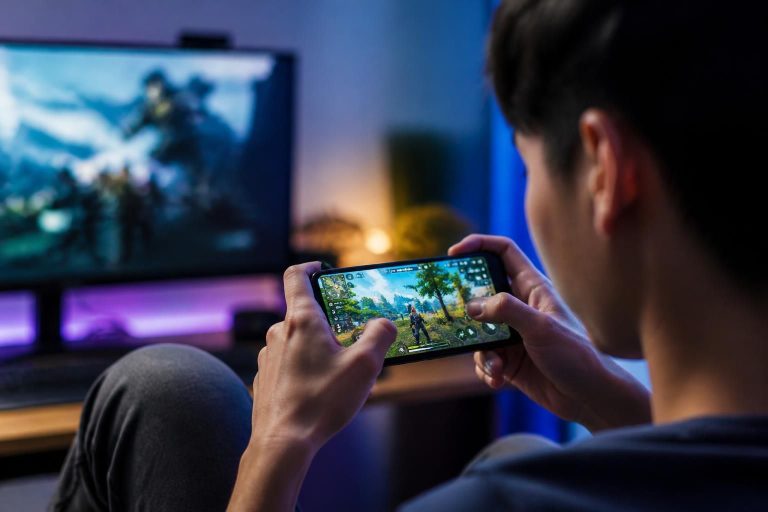
Game soundtracks and music play a crucial role in enhancing the immersive experience of players across various platforms. As players dive into expansive virtual worlds, the melodies and harmonies that accompany their journey significantly contribute to the overall enjoyment and emotional resonance of gameplay. Research indicates that well-crafted music and sound design can elevate a player’s experience by as much as 70%, creating a profound impact on how games are perceived and enjoyed.
Why Music Matters in Game Design
The incorporation of game soundtracks and music in design is not merely an afterthought but a fundamental component that shapes player engagement. Music serves as an emotional guide, informing players about the atmosphere of the environment. For instance, a triumphant orchestral score can enhance exhilarating moments, while haunting melodies can create an eerie ambiance that heightens tension. Developers meticulously select or compose music to reflect the narrative context, thereby crafting a more immersive experience.
Consider the iconic scores of franchises like “Final Fantasy” or “The Legend of Zelda.” These soundtracks are not just background noise; they are woven into the storytelling, enhancing the player’s emotional connection to the characters and events unfolding on screen. As such, game soundtracks and music become part of what players remember long after they leave the game.
The Science Behind Music and Emotion in Gaming
Numerous studies underline the psychological effects of music on players, indicating that soundtracks can manipulate emotions and influence gameplay experiences. Research has shown that players exposed to well-designed music often report feeling more engaged and invested in the game’s world. Music can prompt feelings of nostalgia, excitement, or even anxiety, ensuring that players remain connected to their gaming experience.
Moreover, soundtracks can assist in the flow of gameplay. For example, in fast-paced action games, upbeat and intense music can stimulate adrenaline, encouraging quicker reflexes and heightened focus. As players navigate challenges, the tempo of the music can inform them when to brace for a difficult encounter or when to celebrate a victory. This dynamic relationship between music and gameplay mechanics enhances the overall experience, keeping players hooked.
Innovative Approaches to Game Music
With advances in technology, game soundtracks and music are evolving rapidly, offering new ways to enrich player experiences. Adaptive music, which changes based on player actions or in-game events, creates a personalized auditory experience. For instance, a game might transition from a calm background score to an intense battle theme as players engage in combat. This real-time alteration not only keeps players engaged but also deepens the emotional impact of each moment.
Additionally, the rise of indie games has led to a renaissance in experimental music styles within gaming. Titles like “Journey” and “Celeste” showcase how uniquely composed soundtracks can transcend traditional gaming norms, drawing players into deeply emotional narratives through music alone. The power of these soundtracks is evident in their ability to resonate with players on a personal level, leading to a more memorable gaming experience.
Live Performances and Community Engagement
The popularity of game soundtracks has extended beyond the screen, fostering community engagement through live performances. Concerts featuring video game music have gained significant traction, attracting fans who seek to connect with their favorite games in a new way. These events often create a nostalgic atmosphere, allowing players to relive memorable moments while enjoying live orchestral renditions of their favorite scores.
Events like “Video Games Live” and symphonic performances dedicated exclusively to gaming music highlight the cultural significance of soundtracks. They provide an opportunity for fans to engage with the music and the community, affirming that game soundtracks and music are not only pivotal within games themselves but also play a crucial role in the broader gaming culture.
The Future of Game Soundtracks
Looking ahead, the future of game soundtracks and music is bright and full of potential. As gaming technology continues to evolve, so too will the ways in which music integrates with gameplay. Innovations in artificial intelligence and interactive sound design may lead to entirely new forms of music creation tailored specifically for individual players and experiences.
Moreover, as gaming becomes increasingly mainstream, there is potential for collaboration between game developers and renowned musicians, resulting in even richer soundscapes that appeal to diverse audiences. Platforms like 89BD are already beginning to explore these synergies, showcasing how music can enhance the gaming experience. The intersection of music and gaming is set to become a cornerstone of future developments, ensuring that soundtracks remain at the heart of player experiences.
In conclusion, game soundtracks and music are integral to creating immersive and engaging experiences for players. From elevating emotional connections to adapting dynamically during gameplay, the importance of music in games cannot be overstated. As technology advances and the gaming landscape evolves, the role of soundtracks will continue to expand, promising exciting developments that will further enhance how players engage with their favorite titles. For further exploration about game soundtracks and their impact, resources like 89bd com provide insightful discussions and analyses about the evolving intersection of music and gaming.
About the Author