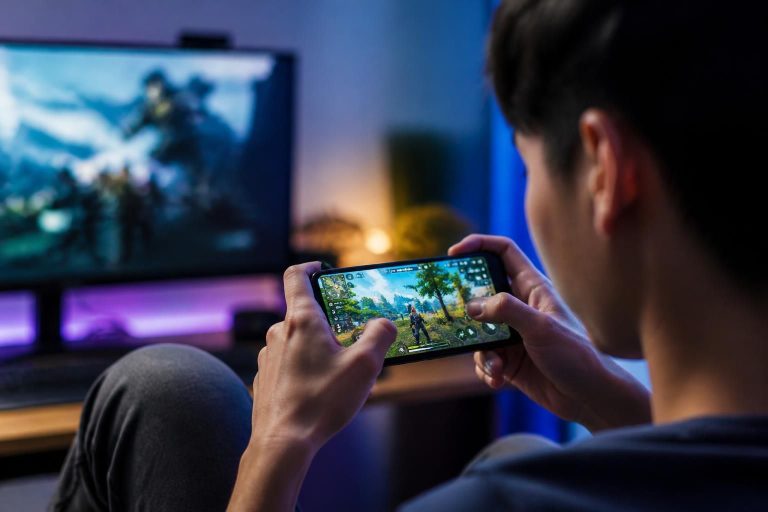
The online gaming community and fan culture represent a vibrant intersection of creativity, collaboration, and competition, continually evolving with technological advancements and societal shifts. As gaming has surged in popularity, it has fostered a diverse community that transcends geographical boundaries, uniting players from various backgrounds. Understanding this phenomenon reveals how the online gaming community cultivates a unique culture that mirrors traditional fan cultures while also creating distinct identities and experiences in the digital realm.
Understanding the Structure of Online Gaming Communities
The online gaming community is vast and multifaceted, encompassing a range of platforms, genres, and formats. Many gamers find belonging in specific sub-communities that may focus on particular games, genres like first-person shooters or role-playing games, or even game development itself. These communities often form around online forums, social media platforms, and streaming services, creating spaces where fans can discuss strategies, share content, and engage with developers.
For instance, platforms such as Discord have become hubs for gamers to connect and communicate in real-time, allowing them to build relationships, share experiences, and organize in-game events. Such interactions foster camaraderie, enhancing the sense of belonging that characterizes the online gaming community. This environment not only supports social interaction but also provides a space for collaborative creativity, as users create fan art, mods, and even entirely new games inspired by existing ones.
The Role of Fan Culture in Online Gaming
Fan culture has long been a significant aspect of various entertainment forms, and it finds a robust expression within the online gaming community. Fans actively engage with gaming content, not only by playing but by creating and contributing to a larger narrative around their favorite games. This manifests in numerous ways, such as fan art, cosplay, and fan fiction, allowing individuals to express their passion and creativity.
This cultural outpouring also provides a feedback loop between fans and developers. For example, fan-created content can influence game design, leading developers to consider community-driven ideas for future updates or new releases. In this context, the relationship is symbiotic; the community thrives on the content produced by its members, while developers benefit from the engagement and insights offered by their most ardent fans.
Esports: A Competitive Arena for Community Engagement
Esports has emerged as a powerful manifestation of the online gaming community and fan culture, transforming casual gameplay into a highly competitive environment. This sector has not only professionalized gaming but also fostered a culture of fandom akin to traditional sports. Fans passionately support their favorite teams and players, creating a vibrant atmosphere during tournaments that are often streamed to millions worldwide.
The connection between players and their fanbase is crucial in esports, as fans engage through social media, following players’ careers, and participating in discussions about strategies and outcomes. Platforms like Twitch allow fans to interact directly with players during live streams, further blurring the line between content creator and community member. Such experiences heighten the emotional investment fans have in the outcomes of matches, solidifying their role within the broader gaming culture. For more on this topic, see https://89bd.global/.
Challenges Within the Online Gaming Community
Despite its many positive aspects, the online gaming community and fan culture also face numerous challenges. Issues such as toxicity, harassment, and exclusionary practices can detract from the inclusive atmosphere many communities strive to achieve. Gamers from diverse backgrounds often report negative experiences, which can discourage participation and engagement.
To combat these issues, many communities are actively promoting awareness and implementing policies aimed at fostering inclusivity. Initiatives that celebrate diversity and encourage respectful interactions are becoming more prevalent, reflecting a growing commitment to improving the gaming experience for everyone. These efforts highlight the community’s resilience and adaptability, showcasing its commitment to evolving positively alongside the entertainment landscape.
The Future of Online Gaming Communities and Fan Culture
The online gaming community and fan culture are poised for further evolution as technology advances. With the rise of virtual reality, augmented reality, and enhanced social frameworks, the way fans interact with games and each other is likely to change dramatically. Innovations in gaming technology will potentially create richer, more immersive experiences, thereby deepening community ties and enhancing the cultural significance of online gaming.
Moreover, platforms like 89bd casino ensure that gaming continues to adapt to modern consumer needs, promoting a culture that emphasizes creativity and connection. As developers listen to fan feedback and incorporate community-driven elements, the longevity and relevance of the online gaming community will thrive, fostering an even stronger culture of engagement and creativity.
In conclusion, the online gaming community and fan culture illustrate a dynamic interplay of creativity, collaboration, and competition. As players continue to share experiences, develop new content, and support each other in both casual and competitive environments, this culture will surely evolve. Moving forward, it will be essential for communities to address their challenges while celebrating the diversity and innovation that characterize this unique aspect of modern entertainment.
About the Author